
ما هو خادم MCP؟ دليل مبسط
انتقل بروتوكول MCP من تجربة لدى Anthropic إلى الطريقة المعيارية لربط الذكاء الاصطناعي بالعالم الحقيقي خلال عام واحد تقريبا. إليك ما هو، ولماذا انتصر، وماذا يعني لك.
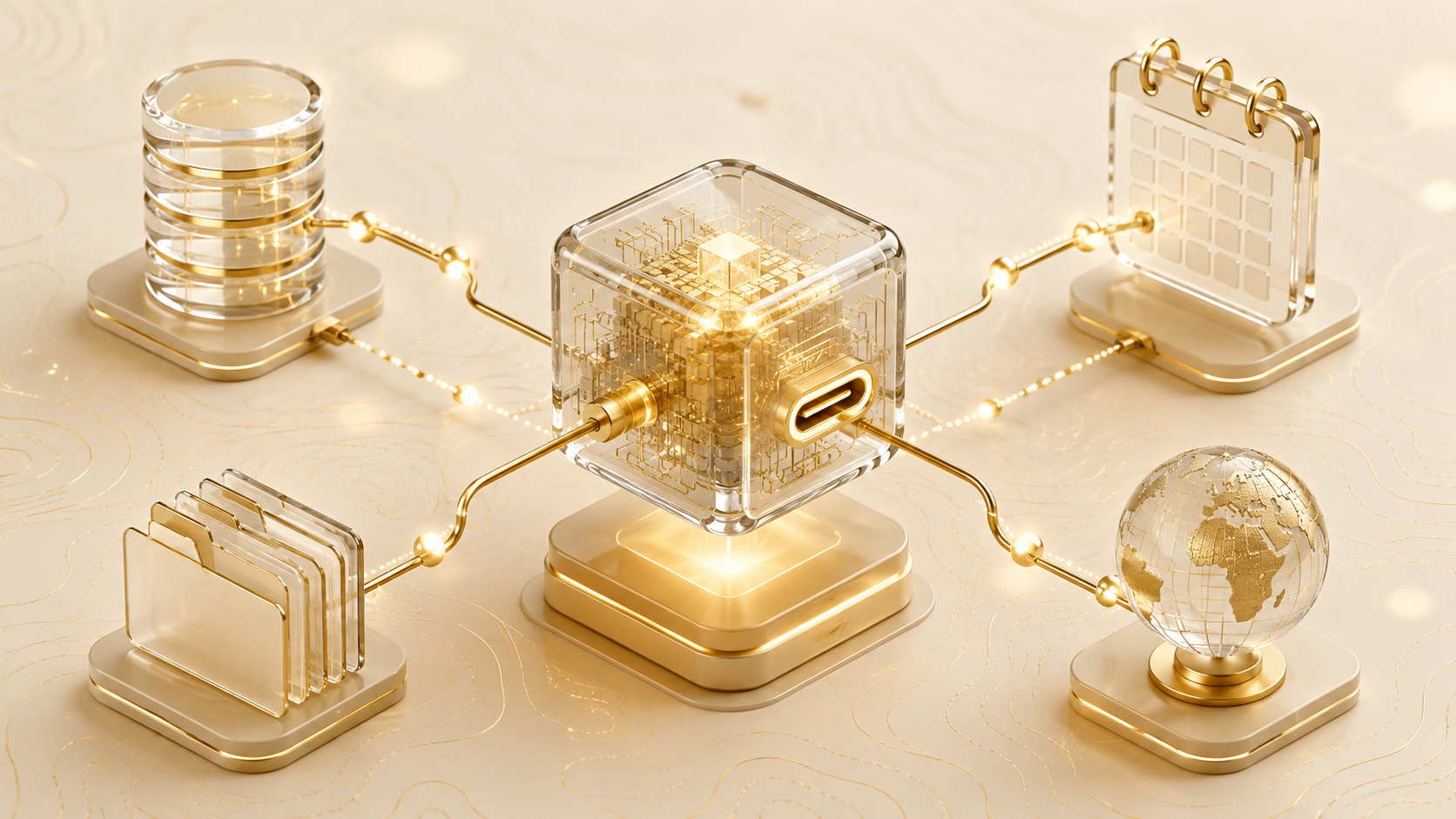
إليك المشكلة التي اخترع MCP لحلها. نموذج الذكاء الاصطناعي وحده دماغ في قارورة: يستطيع التفكير والكتابة، لكنه لا يرى تقويمك ولا يقرأ قاعدة بياناتك ولا يبحث في ملفاتك ولا ينفذ إجراء في تطبيق آخر. ولجعله نافعا عليك ربطه بتلك الأشياء، وتاريخيا كان كل ربط قطعة سباكة مفصلة. تربط نموذجا بقاعدة بياناتك بطريقة، وبمخزن ملفاتك بطريقة أخرى، وبنظام التذاكر بطريقة ثالثة. تتضاعف التوليفات، ولا شيء قابل لإعادة الاستخدام، وكل أداة جديدة تعني شفرة مخصصة جديدة.
بروتوكول سياق النموذج (MCP) هو الحل. إنه معيار مفتوح طرحته Anthropic في نوفمبر 2024، يعرف طريقة واحدة مشتركة لربط نماذج الذكاء الاصطناعي بالأدوات والبيانات الخارجية. والتشبيه المعتاد هو الصحيح: MCP منفذ عالمي للذكاء الاصطناعي، بمنزلة منفذ USB-C للبرمجيات الوكيلة. فبدلا من عشرات التكاملات الفردية، تعرض الأداة مرة واحدة بصيغة MCP، فيستطيع أي ذكاء اصطناعي يدعم MCP استخدامها.
إذا، ما هو "خادم" MCP بالضبط؟
في MCP يوجد دوران. العميل هو جانب الذكاء الاصطناعي، أي التطبيق أو النموذج الذي يريد فعل شيء (Claude أو ChatGPT أو وكيل في محرر الشفرة لديك). والخادم هو الموصل الذي يعرض قدرة محددة لذلك العميل. قد يغلف خادم MCP قاعدة بيانات شركتك أو مستودع GitHub أو Google Drive أو نظام مدفوعات أو واجهة طقس. وهو يعلن عن ثلاثة أنواع يستطيع النموذج استخدامها:
- الأدوات — إجراءات يستطيع النموذج تنفيذها (إنشاء فاتورة، تشغيل استعلام، إرسال رسالة).
- الموارد — بيانات يستطيع النموذج قراءتها (مستندات، سجلات، ملفات).
- المطالبات — تعليمات جاهزة يقدمها الخادم للمهام الشائعة.
يتصل النموذج بالخادم ويسأل "ماذا تستطيع أن تفعل؟"، فيجيب الخادم بقائمته. ومن هناك يستطيع النموذج استدعاء تلك الأدوات وقراءة تلك الموارد عبر الواجهة المعيارية نفسها في كل مرة. هذا التوحيد هو جوهر الأمر كله، وهو سبب قابلية خوادم MCP لإعادة الاستخدام عبر منتجات ذكاء اصطناعي مختلفة تماما.
لماذا انتصر MCP بسرعة
عادة تأخذ المعايير المفتوحة سنوات لتكتسب زخما. أما MCP فأخذ أشهرا. ففي نحو نصف عام من إطلاقه تبناه كل مزود كبير: أضافت OpenAI دعم MCP عبر Agents SDK وResponses API وتطبيق ChatGPT لسطح المكتب في مارس 2025؛ وأكدت Google DeepMind الدعم في Gemini في أبريل 2025؛ وأدخلته Microsoft إلى Copilot؛ وبنته أدوات المطورين مثل Cursor وReplit وVS Code. وأرقام النمو لافتة، فبحلول مارس 2026 تجاوز البروتوكول نحو 97 مليون تنزيل شهري لحزم التطوير، صعودا من نحو مليونين عند إطلاقه في نوفمبر 2024.
ثم جاءت الخطوة التي ثبتته بنية تحتية محايدة: في ديسمبر 2025 تبرعت Anthropic ببروتوكول MCP إلى مؤسسة الذكاء الاصطناعي الوكيلة تحت مظلة Linux Foundation، وقد شاركت في تأسيسها مع Block وOpenAI، بدعم من Google وMicrosoft وAWS وCloudflare وBloomberg. وبروتوكول تحكمه مؤسسة محايدة ويدعمه منافسون نادرا ما يتفقون على شيء هو بروتوكول تستطيع البناء عليه دون المراهنة على مزود واحد. وبحلول منتصف 2026 كان السجل الرسمي لبروتوكول MCP يفهرس نحو 9600 خادم متميز فأكثر، أي منظومة حقيقية لا عرضا تجريبيا.
ماذا يعني هذا لك
لست بحاجة لكتابة شفرة كي تستفيد من MCP. التبعات العملية أبسط:
- مساعدك صار يؤدي عملا حقيقيا لا مجرد كلام. بربط خوادم MCP المناسبة، يستطيع النموذج سحب تقرير حي أو تحديث سجل أو صياغة رد مستند إلى بياناتك الفعلية بدلا من التخمين.
- المهارات تنتقل عبر الأدوات. لأن المعيار مشترك، تعمل القدرة المعروضة كخادم MCP بالطريقة نفسها سواء كنت في Claude أو ChatGPT أو محررك. لم تعد مقيدا بمساعد واحد.
- اختيار الخوادم هو المهارة الجديدة. صارت القيمة متزايدة في أي الخوادم تربط وكيف تجمعها. الخادم الجيد موثوق، ومحدد لمهمة واضحة، وآمن لمنحه الوصول، وهذا تحديدا سبب أهمية التنسيق.
MCP أحد اللبنات الخمس التي رسمناها في دليل مجموعة أصول الذكاء الاصطناعي: طبقة الاتصال التي تمنح النموذج شيئا حقيقيا يصل إليه. فإن كانت المهارات معرفة معبأة، فإن خوادم MCP هي الأسلاك الموصلة إلى العالم الخارجي، وفي 2026 صارت هذه الأسلاك معيارية أخيرا.
وإن أردت أن تبدأ، تصفح خوادم MCP في كتالوجنا: كل منها مدقق ومصنف وموصوف بلغة بسيطة، ومصفى لاستبعاد خوادم المقامرة والمضاربة عالية المخاطر التي لا مكان لها في عدة جادة.