
كيف تجعل محركات الذكاء الاصطناعي تستشهد بنشاطك التجاري: ChatGPT وGemini وPerplexity
البحث لم يعد ينتهي بقائمة من الروابط الزرقاء، بل صار ينتهي بإجابة جاهزة. والسؤال الوحيد المهم الآن: هل نشاطك التجاري موجود داخل تلك الإجابة؟
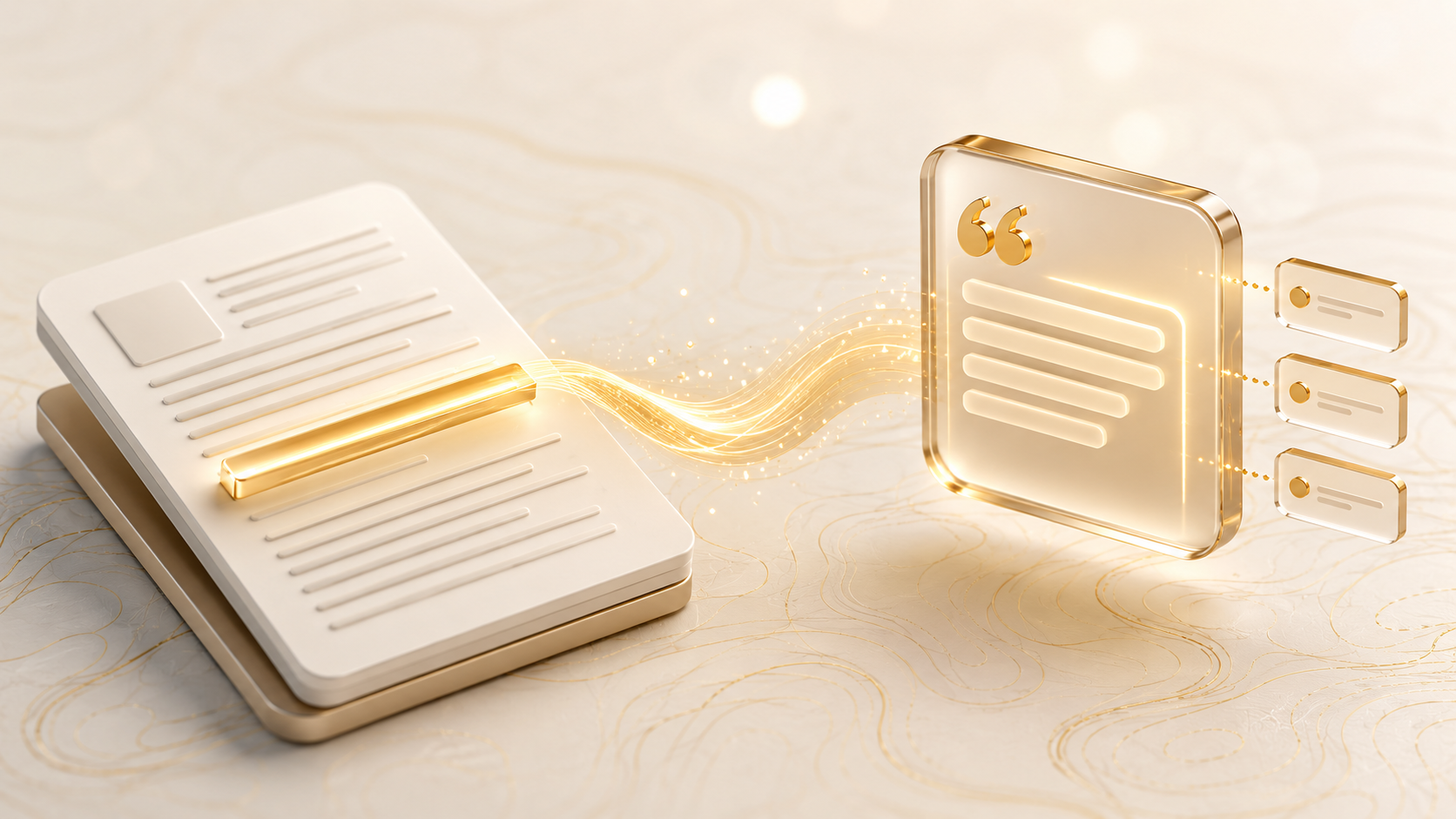
قبل عامين، كان "أن يعثر عليك العملاء" يعني أن تتصدر الصفحة الأولى في Google. يكتب العميل سؤالا، يتصفح عشرة روابط زرقاء، ثم ينقر على أحد روابطك. هذه الحركة بأكملها تستبدل الآن. ففي مارس 2026، أظهرت نحو 48% من عمليات البحث في Google إجابة مولدة بالذكاء الاصطناعي في أعلى الصفحة، صعودا من نحو 34% في ديسمبر 2025، وشريحة متزايدة من المشترين لا تتجاوز تلك الإجابة إطلاقا. لم يعد السؤال "هل أتصدر النتائج؟" فحسب، بل صار "هل أنا داخل الإجابة التي يقرؤها المحرك؟".
ولهذا التحول اسم، بل اسمان. تحسين محركات الإجابة (AEO) يعني جعل صفحتك مختارة ومقتبسة ومستشهدا بها داخل إجابة مولدة بالذكاء الاصطناعي. تحسين المحركات التوليدية (GEO) هو الممارسة الأوسع لجعل محتواك يظهر عبر المحركات التوليدية: ChatGPT وGemini وClaude وPerplexity ولمحات الذكاء الاصطناعي في Google. المصطلحان متداخلان، وفي مايو 2026 قالت Google علنا إنهما في حقيقتهما مجرد "تحسين بحث متقن". هذا صحيح جزئيا، فأساسيات التحسين الجيد لا تزال مهمة، لكن السطح الذي تحسن من أجله تغير، وكذلك الأساليب التي تحدث الفرق.
إليك ما ينجح فعلا في 2026، بلغة بسيطة.
لماذا هذا أمر عاجل وليس اختياريا
أوضح إشارة تأتي من سلوك النقر. وجدت دراسة من Ahrefs شملت 300 ألف كلمة مفتاحية (ديسمبر 2025) أن معدل النقر للنتيجة الأولى ينخفض بنحو 58% حين توجد فوقها لمحة ذكاء اصطناعي. بعبارة أخرى، مقابل كل مئة نقرة كانت الصفحة المتصدرة تكسبها، تحتفظ إجابة الذكاء الاصطناعي الآن بأكثر من النصف. وإذا كان نشاطك يعتمد على زيارات البحث ولست داخل تلك الإجابات، فإن ظهورك يتآكل بهدوء حتى لو بدت ترتيباتك ثابتة.
أما الوجه الآخر فهو الفرصة. لأن محركات الذكاء الاصطناعي تركب الإجابات من فقرات لا من صفحات كاملة، لم تعد مضطرا لأن تتفوق على الجميع كي يستشهد بك. وجد تحليل في مطلع 2026 أن نحو 68% من الصفحات المستشهد بها في وضع الذكاء الاصطناعي في Google تقع خارج العشرة الأوائل التقليديين. فقرة واحدة واضحة ومدعومة بالأدلة قد ترفع إلى إجابة حتى لو لم يتصدر المقال المحيط بها الصفحة الأولى. هذا جديد فعلا، وهو يكافئ الوضوح لا القوة وحدها.
1. اكتب إجابات لا مقالات فقط
تقرأ محركات الذكاء الاصطناعي محتواك بحثا عن ادعاءات مكتفية بذاتها وقابلة للاقتباس. والبنى التي تقتبس تشترك في نمط واحد:
- ابدأ بالإجابة. ضع إجابة مباشرة من جملة أو جملتين أسفل كل عنوان مباشرة، ثم توسع. ويفيد أيضا وضع ملخص قصير قرب الأعلى.
- اجعل كل عنوان فرعي سؤالا حقيقيا. استخدم تسلسلا واضحا للعناوين (عنوان رئيسي ثم فرعي ثم فرعي أدق بلا قفزات)، بحيث يكون كل عنوان فرعي سؤالا يطرحه عميل فعلا، وتجيب الفقرة تحته عنه إجابة كاملة.
- اذكر الادعاءات بوضوح ثم ادعمها. جملة مثل "العنصر س يخفض ص بنسبة ع، وفقا لمصدر" أكثر قابلية للاقتباس من جملة غامضة ومتحفظة. فالأنظمة تفضل ما تستطيع نسبته بثقة.
2. استخدم بيانات الأسئلة الشائعة المنظمة، فهي الخطوة الأعلى أثرا
من بين كل أنواع البيانات المنظمة، تعد بيانات صفحة الأسئلة الشائعة (FAQPage بصيغة JSON-LD) الأثمن لتحسين محركات الإجابة. فهي تحول أزواج السؤال والجواب إلى وحدات يقرؤها الآلة، ويصبح كل سؤال وجواب مرشحا صريحا للاستشهاد. وإن لم تفعل سوى شيء تقني واحد هذا الربع، فأضف بيانات أسئلة شائعة نظيفة إلى صفحاتك المهمة. (كل مقال في هذه المدونة يصدر بها، والأسئلة في أسفل هذه الصفحة منظمة بهذه الطريقة تماما.)
واقرنها ببقية الأساسيات: بيانات المنظمة والمقال المنظمة، وأسماء المؤلفين وتواريخ النشر والتحديث الظاهرة، وملف llms.txt يوجه زواحف الذكاء الاصطناعي إلى أهم صفحاتك.
3. كن حديثا ومحددا واحمل أرقامك الخاصة
يتكرر نمطان في أبحاث 2026. الأول أن الحداثة تكسب: نحو نصف المحتوى المستشهد به بالذكاء الاصطناعي عمره أقل من ثلاثة عشر أسبوعا، فإيقاع النشر والتحديث المنتظم أهم من دفعة محتوى لمرة واحدة. والثاني أن البيانات الأصلية تكسب: الصفحات التي تتضمن إحصاءات أو معايير أو جداول خاصة بها تحظى بمعدلات استشهاد أعلى بوضوح، لأن الرقم القابل للتحقق يمنح المحرك شيئا ملموسا ينسبه. وإذا كنت تجري تدقيقات أو تحويلات، فإن نتائجك الخاصة المجهلة الهوية مغناطيس للاستشهاد لا يستطيع المنافسون نسخه.
4. كن مفهرسا حيث يقرأ كل محرك فعلا
لكل محرك طبقة بنية تحتية تستحق المعرفة:
- بحث ChatGPT يعمل على Bing. إن لم تكن مفهرسا في Bing فلن تظهر ضمن مصادر ChatGPT المستشهد بها، لذا أدوات مشرفي مواقع Bing ليست اختيارية. وتوقع تأخرا من أربعة إلى ثمانية أسابيع قبل ظهور المحتوى الجديد في إجابات ChatGPT.
- Perplexity وGemini يعتمدان على زواحفهما الخاصة إضافة إلى الويب المفتوح والمراجع عالية الثقة.
- عبر كل المحركات، يتفوق عدد صغير من النطاقات على حجمه. ففي مطلع 2026 كان Reddit أكثر نطاق مستشهد به عبر ChatGPT وGemini وPerplexity ولمحات الذكاء الاصطناعي، يليه LinkedIn (والأول في الاستفسارات المهنية)، ثم YouTube وWikipedia وForbes. وحضورك الحقيقي على ما يناسب نشاطك منها يغذي المحركات نفسها التي تقرر أن تستشهد بك.
5. قس ما لا تراه بعد
لا يمكنك تحسين استشهاد لا تتتبعه. ابن قائمة بأهم 20 إلى 30 سؤالا لعملائك، وبإيقاع منتظم مررها على ChatGPT وGemini وPerplexity وClaude. سجل أين يستشهد بك، وأين يستشهد بمنافس بدلا منك، وأين لا يظهر أحد من مجالك إطلاقا. هذه الفئة الأخيرة، الأسئلة غير المطالب بها، عادة أسرع المكاسب. هذا المسح اليدوي ممل، لكنه السبيل الوحيد لرؤية الحقيقة قبل أن تنضج الأدوات في هذا المجال.
أين يضعك هذا
ليس AEO وGEO بديلا عن تحسين محركات البحث، بل هما ما صار إليه التحسين حين انتقلت الإجابة إلى أعلى الصفحة. والعمل ملموس وفي المتناول غالبا: اكتب إجابات واضحة، نظمها ببيانات الأسئلة الشائعة، انشر محتوى حديثا ومحددا، كن مفهرسا حيث يقرأ كل محرك، وقس استشهاداتك كما تقيس ترتيبك. افعل ذلك باستمرار فتكف عن التنافس على نقرة رابط، وتبدأ بأن تكون أنت الإجابة.
وهذا تحديدا هو السطح الذي بنيت من أجله خدمة SEO · GEO · AEO لدينا: البيانات المنظمة وملف llms.txt، وتدقيقات الظهور في الذكاء الاصطناعي عبر ChatGPT وGemini وPerplexity وCopilot ولمحات الذكاء الاصطناعي، وأعمال مؤشرات الويب الأساسية التي تبقيك مؤهلا من الأساس.